Telecom Reliability & Maintenance Bureau 4432643116 5033059044 3162523164 9192145402 8163987320 2167161383

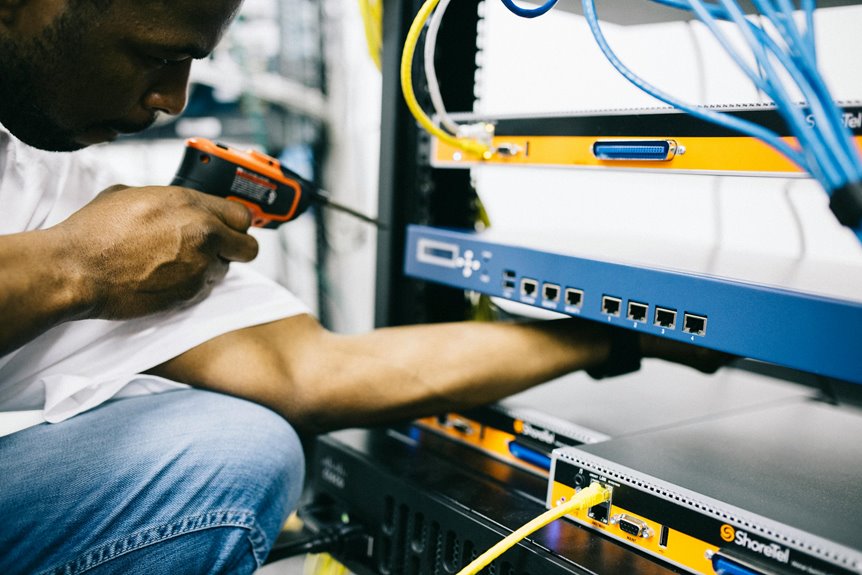
The Telecom Reliability & Maintenance Bureau plays a pivotal role in safeguarding communication networks. Its functions include identifying vulnerabilities and implementing preventive measures to enhance infrastructure resilience. The significance of telecommunications reliability cannot be overstated, particularly in an increasingly connected society. As the Bureau adopts advanced technologies, the impact on service continuity warrants closer examination. What specific strategies and innovations will shape the future landscape of telecom reliability?
Overview of the Telecom Reliability & Maintenance Bureau
The Telecom Reliability & Maintenance Bureau plays a critical role in ensuring the stability and functionality of telecommunications infrastructure.
This agency is tasked with identifying vulnerabilities that may lead to service disruptions, implementing preventive measures, and maintaining system integrity.
Through comprehensive monitoring and analysis, the Bureau fosters a resilient telecom environment, empowering users with uninterrupted access to essential communication services while safeguarding their right to connectivity.
Key Functions of the Bureau
Central to the operations of the Telecom Reliability & Maintenance Bureau are its key functions, which encompass a range of activities designed to enhance the resilience of telecommunications systems.
These functions include policy development, ensuring adherence to regulatory standards, and fostering stakeholder engagement to facilitate collaboration among industry partners.
Through these efforts, the Bureau aims to strengthen the reliability and efficiency of telecommunication infrastructures.
Importance of Telecommunications Reliability
While advancements in technology continue to reshape the landscape of communication, the importance of telecommunications reliability remains paramount for both individual users and large organizations.
A robust telecom infrastructure minimizes service interruptions, ensuring seamless connectivity and operational continuity.
Reliability in telecommunications fosters trust, enhances productivity, and supports critical functions, underscoring its essential role in a modern, freedom-oriented society reliant on uninterrupted communication.
Maintenance Strategies and Best Practices
Effective maintenance strategies in telecommunications encompass preventive maintenance techniques, predictive maintenance approaches, and emergency response protocols.
These methodologies are essential for minimizing downtime and ensuring system reliability. Each approach offers distinct advantages that can significantly enhance operational performance and service continuity.
Preventive Maintenance Techniques
Preventive maintenance techniques play a crucial role in enhancing the reliability of telecom systems by systematically addressing potential issues before they escalate into significant failures.
Implementing preventive inspections and adhering to well-defined maintenance schedules ensures that equipment operates efficiently, reducing downtime and repair costs.
This proactive approach not only extends the lifespan of telecom assets but also fosters a culture of reliability and operational excellence within the organization.
Predictive Maintenance Approaches
As telecom systems become increasingly complex, employing predictive maintenance approaches has emerged as a strategic imperative for ensuring system reliability.
Key components include:
- Data Analytics for real-time insights
- Machine Learning algorithms to predict failures
- Condition Monitoring to assess equipment health
- Automated Reporting for timely decision-making
These strategies empower organizations to enhance efficiency and minimize downtime, ultimately securing operational freedom.
Emergency Response Protocols
A comprehensive emergency response protocol is essential for maintaining telecom system integrity during unforeseen disruptions. Effective crisis management relies on well-defined communication protocols to ensure rapid information dissemination among stakeholders. Implementing structured strategies minimizes downtime and enhances system reliability.
| Strategy | Description |
|---|---|
| Incident Assessment | Evaluate the situation quickly |
| Stakeholder Notification | Inform relevant parties promptly |
| Resource Allocation | Deploy necessary resources efficiently |
| Post-Incident Review | Analyze response effectiveness |
Contact Numbers and Their Significance
Contact numbers serve a critical function in ensuring effective communication within telecom operations, facilitating direct access to essential personnel.
Their significance extends to emergency response coordination, where timely connectivity can mitigate downtime and enhance service restoration efforts.
Establishing a comprehensive contact number system is therefore vital for maintaining operational reliability and swift incident management.
Importance of Direct Contact
Direct contact through established contact numbers is crucial in maintaining telecom reliability, as it facilitates immediate communication during emergencies or service disruptions.
Effective direct communication enhances customer engagement, ensuring prompt resolution and minimizing downtime.
- Rapid response to issues
- Strengthened customer trust
- Enhanced service satisfaction
- Increased operational efficiency
These elements underscore the significance of accessible contact numbers in the telecom industry.
Emergency Response Coordination
How can effective emergency response coordination be achieved in the telecom sector?
By establishing robust emergency communication protocols, organizations can enhance crisis management capabilities.
Contact numbers, such as those provided by the Telecom Reliability & Maintenance Bureau, serve as vital links in emergency situations.
Their significance lies in facilitating rapid response, ensuring seamless information flow, and mobilizing resources to mitigate impacts during unforeseen events.
Future Trends in Telecom Reliability and Maintenance
As the telecommunications industry evolves, what future trends will shape the landscape of reliability and maintenance? The integration of advanced technologies is critical:
- 5G advancements enhancing capacity.
- IoT integration improving network resilience.
- AI applications optimizing maintenance processes.
- Network automation driven by data analytics.
Infrastructure investments must align with rising customer expectations and adapt to regulatory changes to ensure sustained reliability and performance.
Conclusion
In conclusion, the Telecom Reliability & Maintenance Bureau stands as a vigilant guardian of communication infrastructure, ensuring that the digital lifelines of society remain robust and resilient. Through strategic maintenance practices and a commitment to collaboration, the Bureau not only mitigates vulnerabilities but also fosters an environment where seamless connectivity thrives. As technology evolves, so too will the Bureau’s approaches, paving the way for a future where telecommunications reliability is as steadfast as the networks it serves.