
Sudden floods can occur anywhere. Whether it’s Kansas City or St. Louis – from heavy spring rains and rapid snow melt to flooding in urban areas and river overflows along the Missouri and Kansas rivers.
When the water rises, seconds and decisions matter. This article walks you through practical steps to prepare before a flood, stay safe during a flood, and recover after it. It also includes community resources and long-term mitigation measures to reduce future risks.
Before floods: preparations that save lives
Know your risk
Check if your home is in a FEMA-designated flood zone or within a local flood zone. The danger of flooding is not only along rivers; Rapid flooding of low lying roads and storm water channels may occur in urban areas.
Know the local flood history for your neighborhood, past events highlight vulnerabilities
Make an emergency plan
Create a family plan that specifies where to meet, who to call and how to communicate if phone or cell service fails.
Identify evacuation routes and contact persons out of the area. Agree on how to help an elderly relative, neighbor or pet.
Build an emergency kit (minimum)
Water (one gallon per person per day for 3 days), nonperishable food, flashlight, batteries, first aid kit, prescription medications, important documents in waterproof containers, cash, multi-tool, and battery-powered weather radio or NOAA alert device.
Include pet supplies and extra supplies for babies or family members with special needs.
Protect your property
Keep gutters, drains and storm vents clean. Regular maintenance reduces the risk of local flooding.
Elevate utilities where possible – move electrical panels, furnaces and water heaters above expected flood levels.
Install backflow valves on sewer lines to prevent sewage backup.
Consider Landscaping
Stay informed
- Sign up for local alerts and warning systems, and monitor weather forecasts and river-level gauges during heavy rains.
- Follow guidance from city emergency management and reliable weather services.
During a flood: decisions that protect you
If authorities order evacuation, leave immediately
- Don’t wait for water to reach your street. Evacuations are timed to keep you ahead of danger.
- Take your emergency kit, important documents, and any necessary medications. Turn off utilities if instructed and safe to do so.
If you must shelter in place
- Move to the highest safe level in your home, but avoid attics unless you have a way out: attic rescues are dangerous.
- Don’t touch electrical equipment if you are wet or standing in water.
- Avoid walking or driving through floodwater. Six inches of moving water can knock a person down; one foot can sweep a car away.
- Keep clear of downed power lines and report them immediately.
Driving and flash floods
- Never drive around barricades or through floodwater. Roads may be washed out or deceptively deeper than they appear.
- If your vehicle stalls in rising water, evacuate to higher ground if you can do so safely.
During swift-water rescues
- Never attempt to rescue someone in moving water without professional training. Call emergency services and provide exact location details.
After a flood: safety and recovery
Wait for the “all clear”
- Only return home when authorities say it is safe. Structural damage, contaminants, and displaced wildlife can make returning dangerous.
Document damage
- Photograph or video all damage before cleanup. These records are essential for insurance claims.
Safety first during cleanup
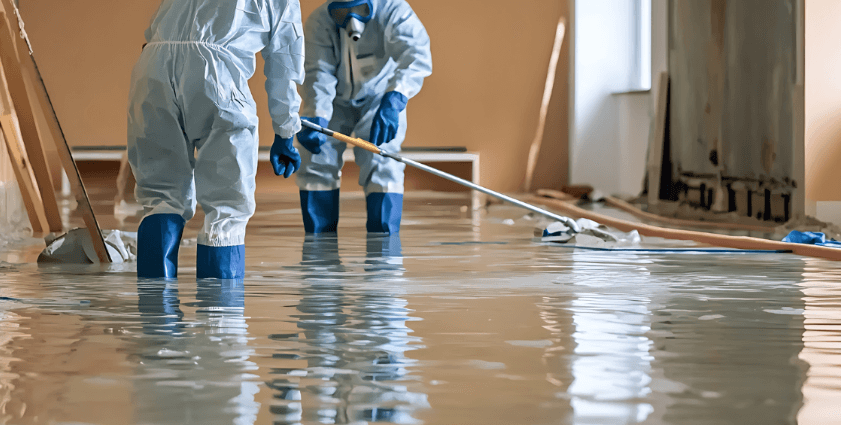
- Use protective gear: gloves, boots, eye protection, and masks if mold is present.
- Beware of contaminated water — household wells can be polluted; boil water or use bottled water until local officials confirm it’s safe.
- Avoid entering buildings with structural damage. If in doubt, have a professional inspect the structure, electrical systems, and gas lines.
- Disconnect utilities only when instructed. If you smell gas, leave immediately and report it.
Prevent and treat mold
- Dry out affected areas quickly: open windows, use fans and dehumidifiers. Mold can start within 24–48 hours.
- Discard porous items (mattresses, carpets) that can’t be thoroughly cleaned and dried.
- Clean hard surfaces with detergent and water, then disinfect. Use proper protective equipment and consider professional mold remediation for extensive infestations.
Insurance and financial recovery
- Contact your insurance company as soon as possible. Flood damage is often covered only by specific flood insurance (e.g., through the National Flood Insurance Program); check your coverage early.
- Keep receipts for emergency repairs and temporary housing, they help with claims and possible disaster assistance.
- Explore federal and state disaster assistance programs if an official disaster declaration follows the event.
Community and emotional recovery
- Floods disrupt more than property, stress, grief, and anxiety are common. Reach out to local support groups, counselors, faith communities, or disaster mental-health services.
- Volunteer efforts help communities recover faster; coordinate with established local organizations so aid is effective and safe.
Long-term mitigation: reduce future risk
Home improvements
- Consider elevating your home or critical systems, especially if you’re in a repeatedly flooded area.
- Replace flood-prone landscaping with permeable surfaces and native plants that absorb water.
- Install flood-resistant building materials in basements and lower levels (concrete, masonry, tile) that withstand water and are easier to clean.
Neighborhood and city-level actions
- Support and participate in community stormwater projects, wetland restoration, and levee maintenance.
- Advocate for effective land-use planning that discourages development in high-risk floodplains and improves drainage infrastructure.
Plan for climate change
- Kansas City’s storm patterns are shifting; heavier, more intense rainfall events may become more frequent. Factor this into home improvements, insurance decisions, and neighborhood planning.
Practical checklist (quick)
Before: know flood risk, create a family plan, build an emergency kit, elevate utilities, clear drains, sign up for alerts.
During: evacuate when ordered, avoid floodwater, move to high ground if trapped, call 911 for emergencies.
After: wait for all clear, document damage, use protective gear, dry out and prevent mold, contact insurance, seek emotional support.
Conclusion
Floods are frightening but manageable when you plan, act decisively, and use community resources. Preparation reduces the immediate danger, speeds recovery, and lowers long-term costs. Take steps now — map your risk, prepare your kit, and make a plan — so you and your family will be ready if Kansas City’s waters rise. If you’d like, I can turn this into a printable checklist, a social media post series, or a Kansas City–specific guide that links to local contacts and resources. Which would help you most?


 By
By