Operational Metrics Explorer: 662833380, 917374536, 910508071, 961847274, 911977286, 615993669

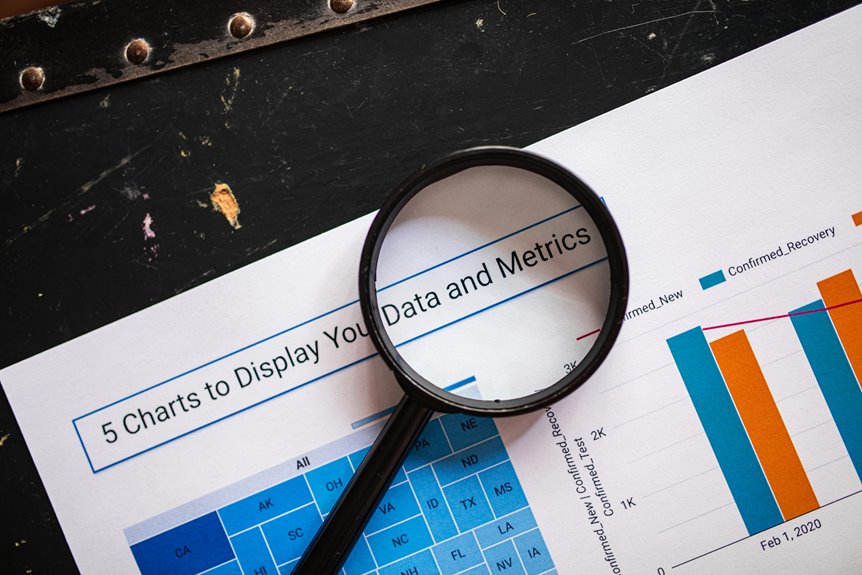
The Operational Metrics Explorer, represented by the identifiers 662833380, 917374536, 910508071, 961847274, 911977286, and 615993669, serves as a pivotal instrument for organizations aiming to optimize performance. By focusing on key performance indicators, it facilitates a detailed analysis of operational strengths and weaknesses. Understanding how to effectively leverage these metrics can unlock significant growth opportunities. However, the implications of this data-driven approach extend far beyond mere analysis.
Understanding Operational Metrics
Operational metrics serve as critical indicators of an organization’s performance, providing quantifiable data that informs decision-making processes.
Understanding these metrics requires clear metric definitions, which yield operational insights essential for strategic planning.
Analyzing Key Performance Indicators
Key Performance Indicators (KPIs) serve as essential tools for measuring organizational success and operational efficiency.
By systematically tracking performance trends, businesses can identify areas of improvement and adapt strategies accordingly.
This analysis not only informs decision-making but also enhances overall accountability across departments.
Importance of KPIs
While organizations strive for growth and efficiency, the significance of Key Performance Indicators (KPIs) cannot be overstated.
Effective KPI alignment with performance benchmarks ensures metric relevance and enhances data visualization. Clear KPI communication facilitates target setting and metric standardization, fostering stakeholder engagement.
Tracking Performance Trends
Effective KPI management lays the groundwork for tracking performance trends, a critical aspect of organizational analysis.
By employing trend analysis and historical tracking, organizations can establish performance benchmarks that align with industry standards.
Data visualization and performance dashboards facilitate metric comparisons, enhancing insight.
Furthermore, predictive analytics empower decision-makers to forecast future outcomes, ensuring that organizations remain agile and responsive in a dynamic environment.
The Importance of Data-Driven Decision Making
Data-driven decision making is crucial for organizations aiming to enhance operational efficiency and achieve informed strategic planning.
By leveraging real-time performance monitoring, businesses can identify trends and areas for improvement, leading to more effective resource allocation.
Ultimately, the integration of data into decision-making processes fosters a culture of continuous improvement and accountability.
Enhanced Operational Efficiency
A significant number of organizations are increasingly recognizing the critical role that data-driven decision making plays in enhancing operational efficiency.
By leveraging analytics, businesses can achieve process optimization, ensuring that workflows are streamlined and effective.
Furthermore, informed resource allocation enables organizations to utilize assets judiciously, minimizing waste and maximizing productivity.
This strategic approach fosters agility and adaptability in an ever-evolving operational landscape.
Informed Strategic Planning
Organizations that prioritize operational efficiency must also recognize the importance of informed strategic planning.
Data-driven decision-making enhances strategic alignment, ensuring that resource allocation aligns with organizational goals. By leveraging accurate metrics, businesses can identify optimal paths forward, adapt to changing environments, and allocate resources effectively.
This strategic foresight empowers organizations to thrive, promoting autonomy and informed choices in a dynamic landscape.
Real-Time Performance Monitoring
How can real-time performance monitoring revolutionize decision-making processes within businesses?
By leveraging performance dashboards and real-time alerts, organizations can swiftly identify trends and anomalies. This immediate access to vital data empowers leaders to make informed decisions, enhancing operational efficiency and responsiveness.
Consequently, companies cultivate a culture of data-driven decision-making, ultimately fostering innovation and adaptability in an ever-evolving marketplace.
Identifying Strengths and Weaknesses
Evaluating operational metrics reveals critical insights into an organization’s strengths and weaknesses.
Through rigorous strength identification, firms can pinpoint areas of competitive advantage, while weakness analysis uncovers vulnerabilities that hinder performance.
This data-driven approach allows organizations to make informed decisions, fostering an environment of continuous improvement.
Ultimately, understanding these dynamics is essential for achieving operational freedom and enhancing overall effectiveness.
Strategies for Leveraging Metrics for Growth
Leveraging operational metrics for growth requires a strategic approach that transforms data into actionable insights.
Organizations must focus on metric alignment to identify growth opportunities effectively. By analyzing key performance indicators, businesses can pinpoint areas for improvement, enabling data-driven decisions.
This methodology not only fosters innovation but also empowers teams to capitalize on insights, driving sustainable growth and enhancing operational efficiency.
Future Trends in Operational Metrics
As organizations increasingly rely on data to drive decision-making, future trends in operational metrics are likely to focus on real-time analytics and predictive modeling.
Future metric innovations will harness predictive analytics advancements, emphasizing automation impact and real-time data integration.
Machine learning applications will refine workforce performance insights, while sustainability metrics evolution and customer experience metrics will enhance competitive benchmarking strategies amid ongoing technology adoption trends.
Conclusion
In conclusion, the Operational Metrics Explorer stands as an indispensable beacon for organizations striving for excellence in a data-driven world. By harnessing its capabilities, businesses can uncover insights that transform challenges into opportunities, making operational inefficiencies seem as distant as a mirage. As companies embrace these analytical tools, they pave the way for continuous improvement and strategic innovation, ensuring they remain competitive in an ever-evolving market landscape. The future of operational success lies firmly in the hands of those who leverage these metrics wisely.