Corporate Insights Dashboard: 961121210, 914022100, 622092044, 911190841, 946092050, 371551101

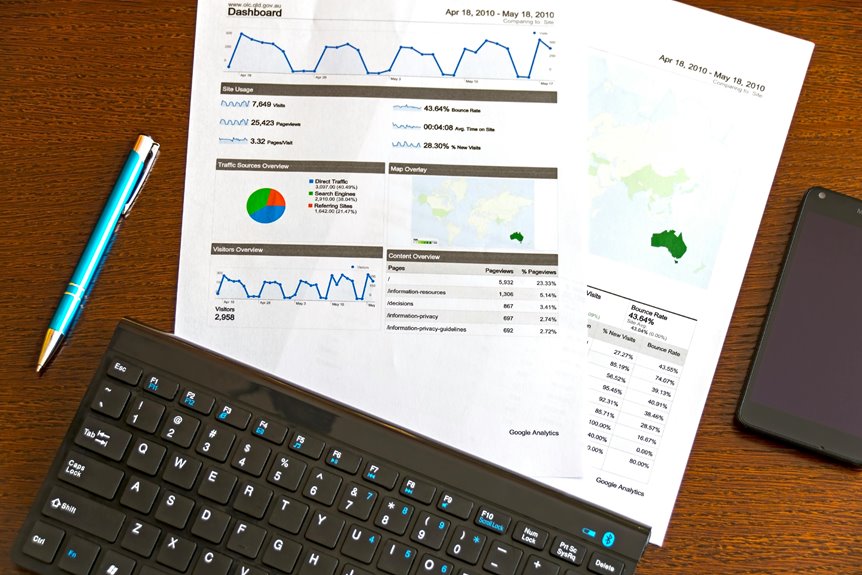
The Corporate Insights Dashboard, identified by numbers such as 961121210 and 914022100, serves as a pivotal resource for organizations aiming to enhance decision-making through data integration. It categorizes information effectively, bolstering real-time analytics. This setup allows stakeholders to respond to market dynamics efficiently. However, the implications of these identifiers extend beyond mere analytics. Understanding their role could redefine operational strategies and foster growth in unexpected ways.
Understanding the Key Identifiers
Key identifiers serve as pivotal elements in the Corporate Insights Dashboard, enabling stakeholders to navigate complex data landscapes effectively.
Their significance lies in facilitating data categorization, allowing for streamlined analysis and interpretation.
By clearly defining key metrics, organizations can enhance decision-making processes, ultimately fostering an environment of informed freedom.
Understanding these identifiers empowers stakeholders to utilize data strategically and efficiently, promoting overall organizational growth.
The Importance of Data Integration
Although many organizations collect vast amounts of data, the effectiveness of insights derived from that data hinges on robust data integration practices. Implementing effective data consolidation strategies enhances real-time analytics capabilities, enabling organizations to respond swiftly to market changes. The following table outlines key components of successful data integration:
| Component | Benefit | Impact on Decision-Making |
|---|---|---|
| Data Quality | Accurate insights | Improved strategies |
| Timeliness | Up-to-date info | Faster adaptations |
| Accessibility | User-friendly access | Enhanced collaboration |
Analyzing Performance Metrics
Analyzing performance metrics is crucial for assessing organizational effectiveness and strategic alignment.
Key Performance Indicators (KPIs) serve as quantifiable measures to evaluate success, while trend analysis techniques enable the identification of patterns over time.
Together, these tools facilitate informed decision-making and promote continuous improvement within the corporate framework.
Key Performance Indicators
Performance metrics serve as essential indicators of a company’s operational success and strategic alignment. Understanding KPI benchmarks is crucial for effective performance evaluation, enabling organizations to gauge their progress toward objectives. The following table summarizes key performance indicators that facilitate this analysis:
| KPI | Benchmark | Evaluation Method |
|---|---|---|
| Revenue Growth | 10% annually | Year-over-year |
| Customer Satisfaction | 85%+ | Surveys |
| Employee Turnover | <10% | Annual analysis |
| Operational Efficiency | 90%+ | Process audits |
Trend Analysis Techniques
Identifying trends within performance metrics is critical for organizations aiming to enhance strategic decision-making.
Employing trend forecasting techniques allows businesses to predict future outcomes based on historical data.
Additionally, data visualization tools facilitate the interpretation of complex datasets, enabling clear insights into patterns and anomalies.
This approach empowers organizations to adapt proactively to market shifts and optimize operational efficiency, fostering a culture of informed freedom.
Identifying Market Trends
Identifying market trends requires a thorough analysis of historical data to establish patterns and behaviors over time.
Utilizing predictive analytics techniques allows organizations to forecast future market movements based on these established trends.
This data-driven approach enables businesses to make informed strategic decisions in a dynamic marketplace.
Analyzing Historical Data
Understanding market trends through the lens of historical data reveals invaluable insights that can shape strategic decision-making. By examining historical patterns and performing data comparison, organizations can identify significant market movements and potential opportunities. The following table illustrates key historical metrics that assist in trend analysis:
| Year | Revenue Growth (%) | Market Share (%) |
|---|---|---|
| 2019 | 5.2 | 15 |
| 2020 | 4.8 | 14 |
| 2021 | 6.1 | 17 |
| 2022 | 7.0 | 19 |
| 2023 | 5.5 | 18 |
Predictive Analytics Techniques
While market trends can be elusive, employing predictive analytics techniques allows organizations to forecast future movements with greater accuracy.
Through predictive modeling, businesses analyze historical data to identify patterns that inform data forecasting. This strategic approach empowers companies to anticipate shifts in consumer behavior and market dynamics, thus enabling informed decision-making.
Ultimately, these techniques facilitate adaptability and agility in an ever-evolving marketplace.
Enhancing Collaboration Through Insights
As organizations increasingly rely on data to drive decision-making, the potential for enhanced collaboration through insights becomes evident. Effective communication strategies, innovative brainstorming, and cross-departmental workshops foster team engagement. Utilizing collaborative tools and interactive platforms, organizations can create feedback loops, enabling remote collaboration and idea sharing. This synergy development cultivates a dynamic environment, harnessing diverse perspectives for optimal outcomes.
| Collaborative Tools | Benefits | Applications |
|---|---|---|
| Interactive Platforms | Enhanced Engagement | Remote Collaboration |
| Feedback Loops | Continuous Improvement | Cross Departmental Workshops |
| Idea Sharing | Innovation | Team Engagement |
Driving Growth and Improvement
The synergy fostered through enhanced collaboration lays the groundwork for driving growth and improvement within organizations.
Effective growth strategies and performance improvement initiatives emerge from this foundation, enabling firms to adapt swiftly to market changes.
- Foster open communication.
- Leverage data analytics for insights.
- Implement agile methodologies.
- Promote a culture of continuous learning.
Conclusion
In conclusion, the Corporate Insights Dashboard serves as a lighthouse in the fog of data, guiding organizations towards informed decision-making and strategic growth. By leveraging key identifiers and integrating data effectively, stakeholders can navigate market trends with agility and precision. As the adage goes, “knowledge is power,” and this tool empowers teams to harness insights, fostering collaboration and driving operational success. Ultimately, the dashboard transforms raw data into actionable intelligence, paving the way for sustained improvement.