24-Hour Help Hotline Numbers: 2065826344, 2085153325, 2096458266, 2103618931, 2103978578, 2106402196

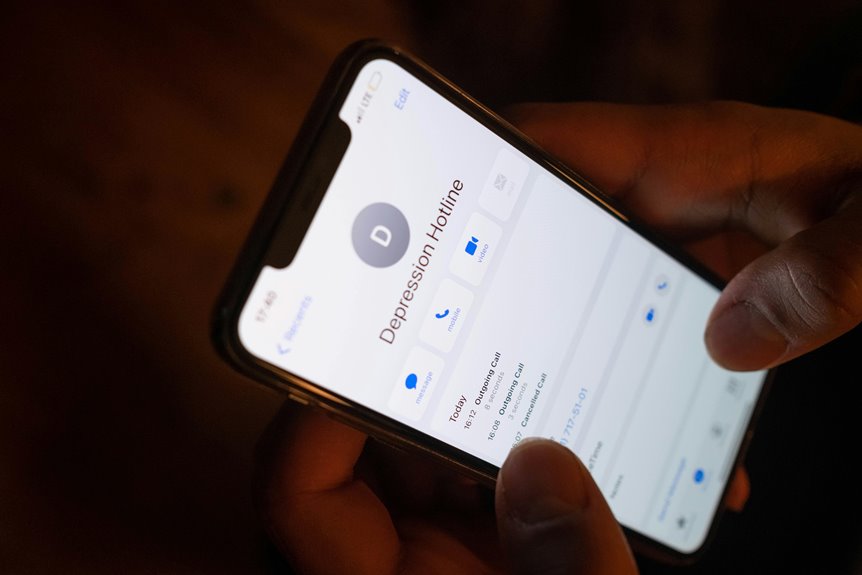
24-hour help hotlines serve as a crucial lifeline for individuals in distress. These numbers, such as 206-582-6344 and 210-640-2196, connect callers to trained professionals who provide immediate emotional support and crisis intervention. Understanding the types of assistance available can empower individuals to seek help. Exploring the various resources offered by these hotlines may reveal the support needed to navigate challenging times. What happens next could be transformative for those reaching out.
Understanding the Importance of 24-Hour Hotlines
While individuals may face crises at any hour, the availability of 24-hour hotlines serves as a vital lifeline for those in distress.
Hotline accessibility enhances mental health awareness, providing immediate support and understanding. These services empower individuals to seek help freely, fostering a sense of connection and hope.
In turbulent times, these hotlines remind them they are never truly alone.
How to Reach Out for Help
Reaching out for help can be a daunting step for many individuals, yet it is a crucial part of navigating difficult times.
To facilitate this process, consider these steps:
- Identify your feelings and needs.
- Select a hotline that resonates with your situation.
- Prepare any questions or concerns beforehand.
- Reach out and speak openly, knowing support is available.
Seeking help is a courageous act towards healing.
Types of Support Offered by Hotlines
Hotlines provide critical support through various services tailored to individual needs.
Crisis intervention services offer immediate assistance during emergencies, while emotional support resources help individuals navigate feelings of distress and isolation.
Understanding these types of support can empower callers to seek the help they deserve.
Crisis Intervention Services
Crisis intervention services provided by hotlines play a crucial role in supporting individuals facing urgent emotional distress.
These services typically include:
- Immediate emotional support
- Crisis management strategies
- Safety planning guidance
- Resource referrals for ongoing care
The effectiveness of hotlines lies in their ability to offer timely assistance, fostering a sense of safety and empowerment for those in need during critical moments.
Emotional Support Resources
Emotional support resources provided by hotlines encompass a variety of services designed to address the unique needs of individuals in distress. These resources foster emotional resilience and promote mental health by offering compassionate listening, guidance, and confidential support.
| Type of Support | Description |
|---|---|
| Active Listening | Non-judgmental, empathetic engagement |
| Resource Referral | Guidance to additional services |
| Crisis Counseling | Immediate support during crises |
What to Expect When You Call
When individuals reach out to help hotlines, they can expect a prompt response from trained professionals ready to assist them.
These services prioritize confidentiality, ensuring that callers can share their concerns in a safe and secure environment.
Understanding these aspects can help alleviate anxiety and encourage those in need to seek the support they deserve.
Initial Response Time
Many individuals seeking help may wonder what to expect during their initial call to a hotline. Typically, they can anticipate:
- Prompt response efficiency.
- Warm, empathetic greetings from trained professionals.
- Call prioritization based on urgency.
- Clear guidance on next steps.
This supportive environment fosters trust, empowering callers to express their needs freely and receive the assistance they deserve.
Confidentiality Assurance Policy
Confidentiality serves as a cornerstone of trust in any hotline interaction, ensuring that callers feel safe and secure in sharing their concerns.
Adhering to robust confidentiality protocols, these hotlines prioritize privacy protection, allowing individuals to explore their issues without fear of judgment or exposure.
Callers can expect a supportive environment where their information remains confidential, fostering an atmosphere of freedom and openness in communication.
Real-Life Impact of Hotline Support
Although the existence of hotline support may seem like a mere resource, its real-life impact extends far beyond a simple phone call.
The hotline effectiveness can be highlighted through:
- Personal testimonies of hope and recovery.
- Immediate access to emotional support.
- Empowerment to seek additional help.
- Reduction of feelings of isolation.
These elements illustrate the vital role hotlines play in fostering resilience and personal freedom.
Additional Resources for Ongoing Help
Hotline support serves as an important first step in a journey toward healing, but the need for ongoing assistance and resources remains vital.
Support groups offer a safe space for individuals to share experiences and gain strength from one another.
Additionally, online forums provide a platform for continuous dialogue and connection, empowering individuals to seek freedom and support long after the initial call for help.
Conclusion
In conclusion, 24-hour help hotlines play a crucial role in providing immediate support to those in need. According to recent studies, individuals who utilize hotline services report a 70% increase in feelings of hope and well-being after a single call. This statistic highlights the profound impact that compassionate communication can have during moments of crisis. By encouraging those in distress to reach out, society fosters a culture of support, reminding individuals that they are not alone in their struggles.